Nearly 70 percent of global population live within concrete structures.
Compressive strength of concrete commonly ranges from 20 MPa to 60 MPa, but it may go above 100 MPa in special design.
More than 30 billion tonnes of concrete is used annually, making it second most consumed material after water on earth.
150 mm × 150 mm × 150 mm is the standard concrete cube size for testing as per BIS.
Introduction
It is not an uncommon knowledge that concrete is one of the most utilized materials in construction world. Sourcing concrete from unverified suppliers is not only a bad decision for business credibility, but it also raises legal concerns. Therefore, the construction laboratories conduct extensive tests on concrete based on many parameters. As per many testing standards, these are conducted at 7, 14, and 28 days. The compressive strength of concrete is at its peak after 28 days of curing. In this blog, we are going to explore the top concrete testing instruments and their contribution in construction.
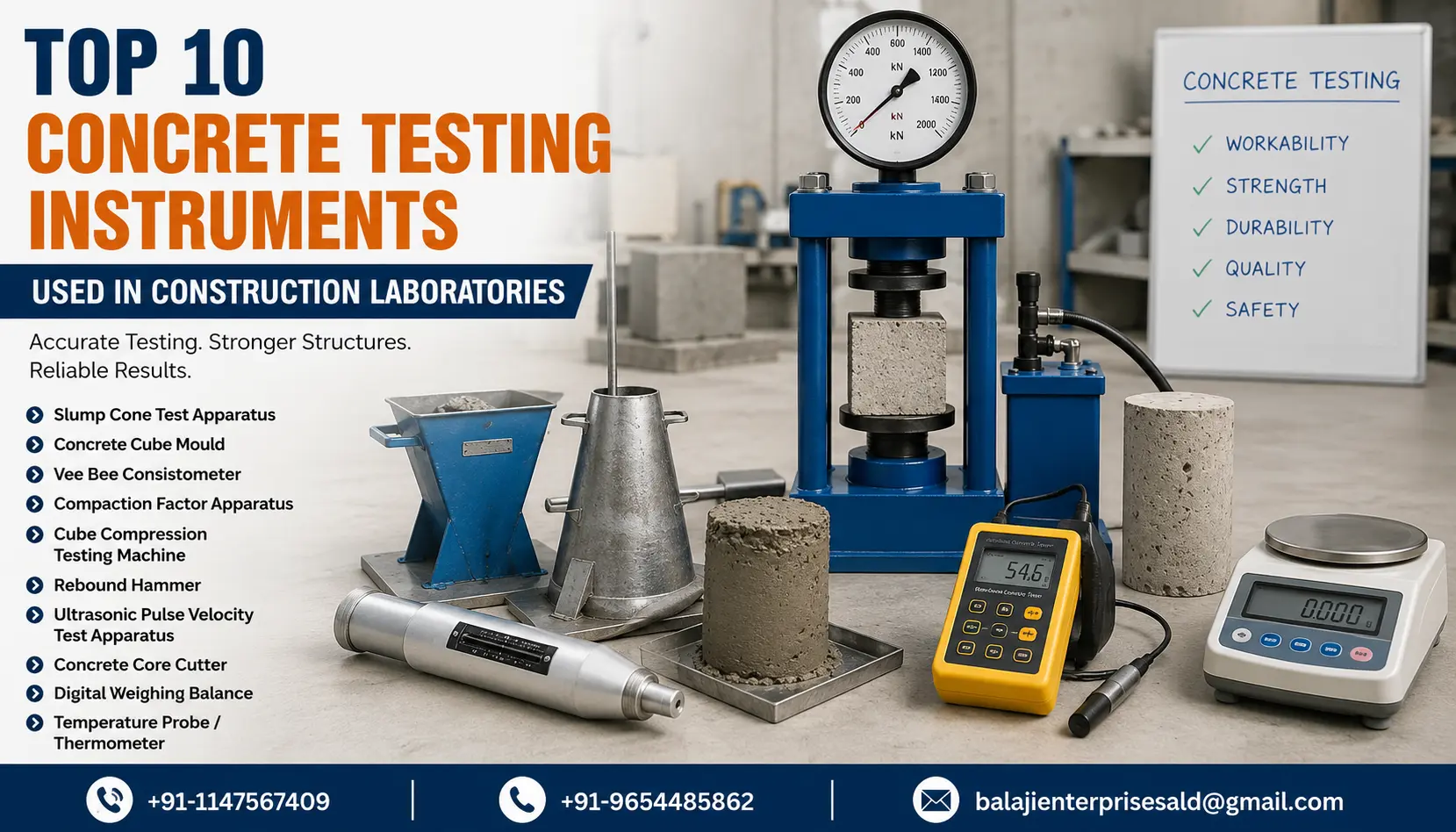
Top 10 Concrete Testing Instruments
Most construction projects generate the highest demand for these concrete testing equipment:
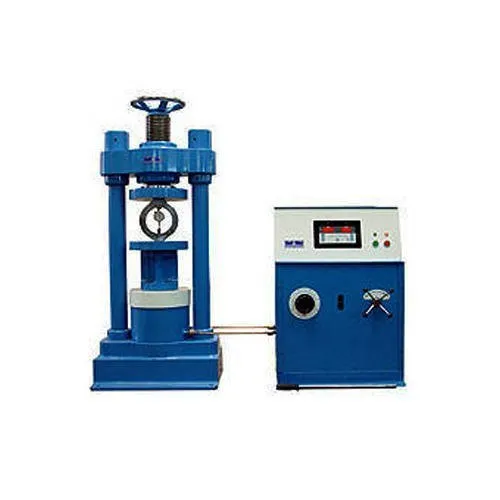
1. Compression Testing Machine (CTM)
Compression test is most important because all concrete structures are knows for their incredible compression strength value. It measures the primary acceptance value for the construction project. Servo control compression testing machine is considered one of the best models.
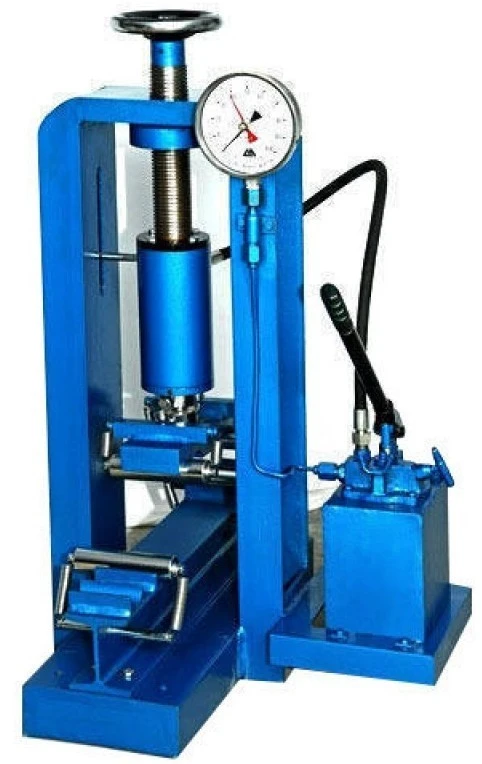
2. Flexural Testing Machine
Concrete cubes undergo flexural strength or bending strength test in this machine. The values measured are important for roads, pavements, airport runways, and industrial flooring projects where bending stress is frequent.
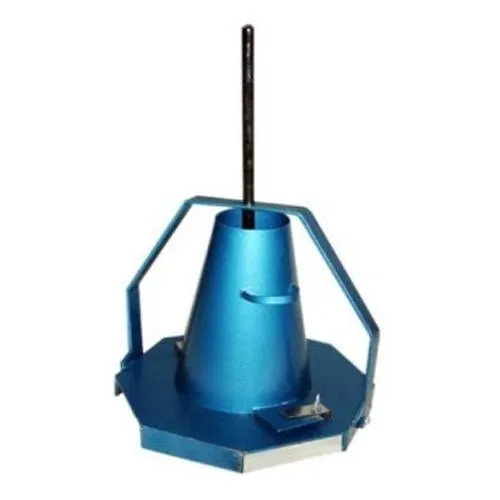
3. Slump Cone Apparatus
It is used to assess whether the fresh concrete is suitable for work. It tells how the concrete mixture flows, and indirectly indicates the suitability of the water-cement ratio.
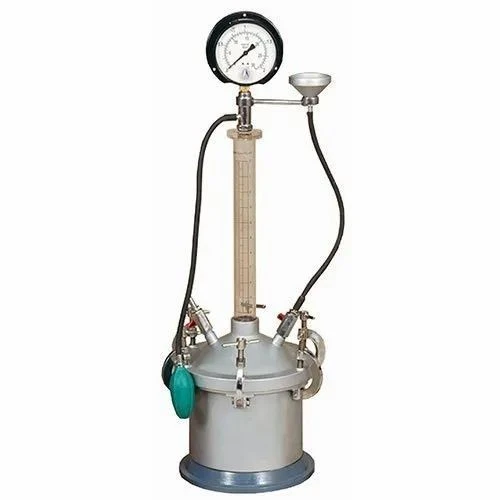
4. Air Entrainment Meter
Trapped air is important for the durability of concrete structure because these act like ball bearings, preventing concrete from cracking. The test meter use pressure method to read the values.
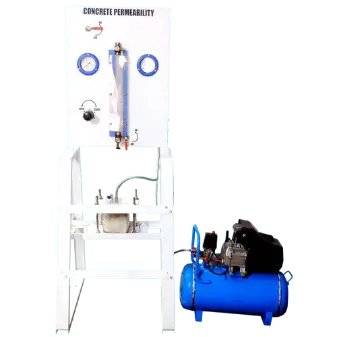
5. Concrete Permeability Test Apparatus
This apparatus measures how quickly water and corrosive chemical permeates the hardened concrete. Low permeability is ideal for durable structures.
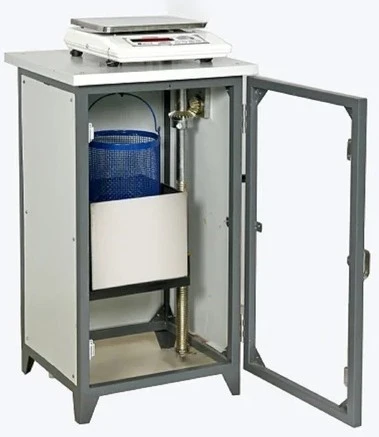
6. Specific Gravity & Buoyancy Balance
With its sturdy support frame, it tells the specific gravity and hardness of concrete. The weight of concrete is measured in air and water to to calculate void ratios, mix quality, unit weight
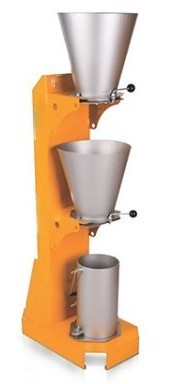
7. Compaction Factor Apparatus
This apparatus gives results regarding sensitivity to dry mixes and workability ratio of the concrete. It is used for concrete mixes that are too stiff for accurate slump testing.
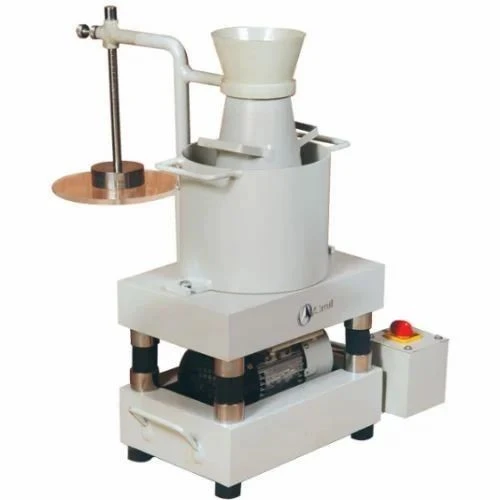
8. Vee-Bee Consistometer
It also measures the workability and fluidity of concrete mixes that are too stiff but uses a vibration method instead of gravity-fed.
9. Length Comparator
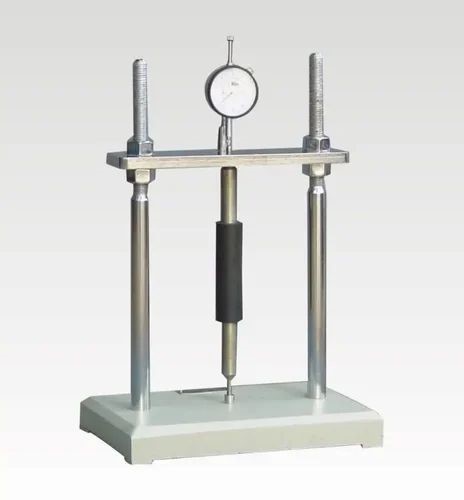
Changes in concrete dimensions due to shrinkage, expansion, and environmental conditions is evaluated in high precision with a length comparator.
10. Demountable Mechanical Strain Gauge
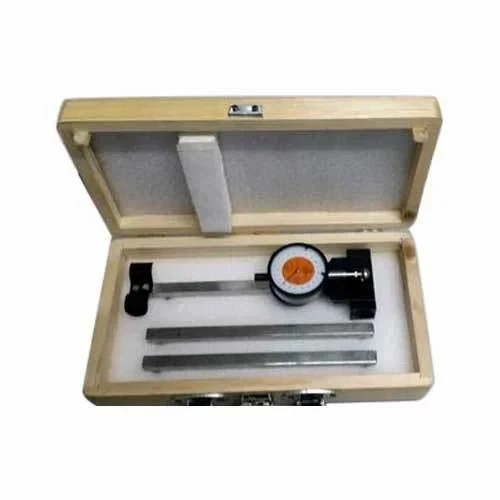
This gauge is used to measure strain in concrete and other structural elements with high accuracy. Engineers use it to assess deformation and stress distribution.
Other Instruments
Apart from the the above 10 instruments, there are some which are commonly used by civil engineers and independent testing labs:
Concrete Flow Table
J-Ring Test Apparatus
U-Box Test Apparatus
V-Funnel Test Apparatus
L-Box Test Apparatus
Pocket Concrete Penetrometer
Why Concrete Testing Matters?
Construction laboratories are the quality control center of the construction industry. Using the proper concrete testing instruments allows laboratories to detect problems with concrete before they affect the overall structure. Besides, it saves construction time and money. With concrete tests, engineers can gather information on:
Verifying the compliance as per the industry standards.
Ensuring safety of the structures
Assessing the consistency of the concrete mixes
Avoiding the risk of premature failures
Modify the concrete mixes for best achieving durability
Conclusion
Concrete testing is one of the most important components of quality control in the construction industry today. Each instrument used for testing concrete provides an important piece of data that can be used to evaluate concrete performance regarding fresh concrete workability, compressive strength, and long-term durability. We at Balaji Testing Machine supply all the necessary concrete testing instruments which can be used by construction laboratories to test according to the IS, ASTM, and oter relevant standards.
Compressive Testing machine is considered the most important because it helps verify the compressive strength which is key indicator of structural performance.